Anonymous Money, Familiar Logos: The Quiet American Firms Funding African Football's Shirts
Photo: Self-Scanned, Public domain, via Wikimedia Commons
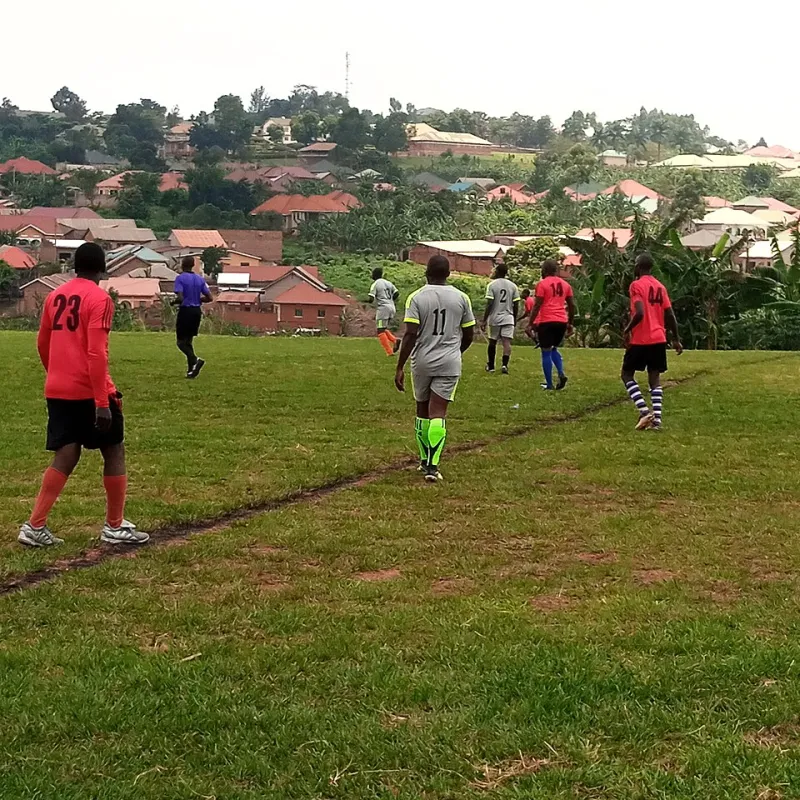
When a mid-table club in East Africa unveiled its new shirt sponsor last season, the logo stitched across the chest belonged not to a global sportswear giant or a multinational beverage company, but to a mid-sized logistics firm headquartered in a Chicago suburb. Most American sports fans have never heard of the company. Most fans in Nairobi now can't miss it.
That gap — between obscurity in one market and ubiquity in another — is fast becoming one of the most interesting stories in African football's commercial ledger. The continent's most valuable sponsorship real estate is being bought, quietly and at a discount, by American companies that mainstream marketers would struggle to name.
The Arbitrage Nobody Is Talking About
The logic behind these deals is straightforward arbitrage. A front-of-shirt or stadium naming deal with a mid-tier European club or an NFL franchise runs into eight figures annually. Comparable placements with a top African club — one that draws 60,000 fans a match and a national television audience — can be secured for a fraction of that, often between $500,000 and $2 million per year.
For a fintech startup or a commodities trading house, the math is compelling. The brand equity per dollar spent is extraordinary, and the audience is young, urban, and increasingly banked and connected — precisely the demographic these firms need to convert into customers.
"These aren't vanity deals," one sponsorship consultant familiar with several recent agreements explains. "These are calculated market-entry plays. The shirt is the beachhead."
Three Deals That Map the Trend
The pattern shows up across the continent in different sectors.
The fintech play. A payments company backed by American venture capital signed a two-year deal with a West African club, reportedly worth around $1.8 million. The company's actual product — mobile lending and cross-border payments — is aimed at exactly the fans filling the stands. The sponsorship functions as customer acquisition at a cost per impression no digital ad campaign could match.
The logistics bet. With African e-commerce volumes climbing and the African Continental Free Trade Area lowering barriers to goods movement, a US-based freight and warehousing operator put its name on a stadium in a major East African hub. The deal, believed to be in the low seven figures, buys credibility with the importers, exporters, and government officials who decide which logistics partners win contracts.
The commodities footnote. Perhaps the least glamorous and most instructive: an agricultural commodities trader with a Kansas City office sponsoring a Southern African club. The company trades across the region and needed local legitimacy more than global fame. A jersey placement delivered both.
Where Are the Household Names?
The conspicuous absence in all of this is America's marquee consumer brands. Coca-Cola has a long African history but concentrates on grassroots programs rather than club-level sponsorships. Nike outfits national teams through federation deals but largely ignores club shirt inventory. The big three US airlines, the major banks, the streaming giants — none are at the table.
Part of the hesitation is structural. American CMOs are judged on measurable ROI over quarterly cycles, and African club sponsorships are hard to attribute in a dashboard. Part of it is risk aversion — perceptions of governance and reputational exposure that a mid-tier trading firm simply worries about less. And part of it is simple unfamiliarity: the decision-makers in American boardrooms have, for the most part, never attended a match in Lagos or Dar es Salaam.
That blind spot has left the field open. The companies moving first are ones with existing operational footprints on the continent and executives who understand the market firsthand.
The Demographic Dividend, Monetized Early
The underlying case for these deals rests on demographics. The median age in much of sub-Saharan Africa is under twenty. Urbanization, smartphone penetration, and formal banking adoption are all climbing steeply. Every major consumer forecast for the next two decades identifies this region as a primary growth engine.
Sponsorship is, at its core, a way of renting affection in advance. The American firms signing African football deals today are locking in that affection while the price is still low. When the household names eventually arrive — and the consensus is that they will — the best inventory will already be spoken for, and the cost of entry will have multiplied.
"The window is open now," the consultant notes. "It won't be open in five years."
A Warning Worth Heeding
There are, of course, risks. Club finances on the continent can be opaque, contract enforcement inconsistent, and currency volatility real. Several early entrants have learned that a signed sponsorship agreement is only as durable as the institution behind it. Diligence matters, and the firms succeeding tend to be those with on-the-ground partners rather than fly-in, fly-out deal teams.
But for a certain kind of American company — operationally present, commercially patient, and priced out of domestic sports inventory — African football has quietly become one of the most efficient brand-building platforms in the world. The logos on the shirts may be unfamiliar to US audiences today. That is precisely the point.