The Jersey That Never Pays Its Club: Tracing a Kaizer Chiefs Shirt Sale in Atlanta
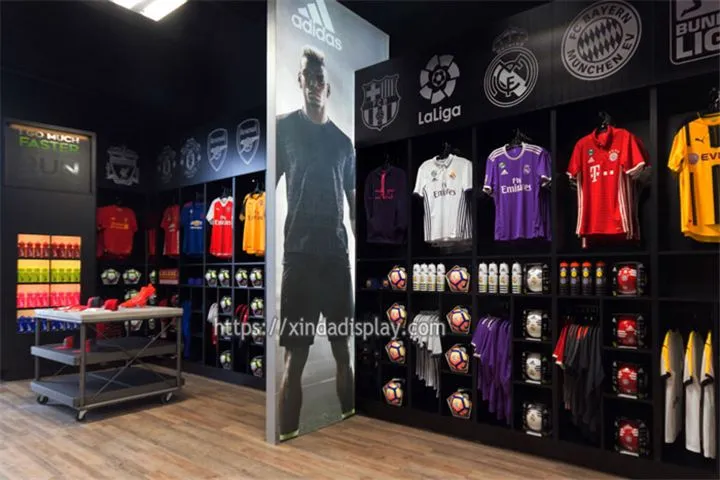
Photo: soccer jersey merchandise retail store display, via i.pinimg.com
Walk into a soccer retail shop in Atlanta's Midtown on a Saturday in March, and you'll likely spot it hanging between a Bayern Munich third kit and a retro River Plate jacket: a gold-and-black Kaizer Chiefs jersey. The fan buying it may assume his dollars are heading to Naturena, the club's Johannesburg home. The reality is far less generous — and it exposes one of the most stubborn commercial failures in African football.
The Anatomy of a $90 Jersey
Start with the retail price. A licensed replica kit from a major African club typically sells in the United States for $80 to $100, comparable to what a Premier League shirt commands. But the clubs themselves rarely negotiate favorable terms with the global distributors who place those shirts on American shelves. Where a top English club might retain 10 to 15 percent of retail value through its kit deal, most African clubs capture a fraction of that — often a flat licensing fee negotiated years ago, in a weak currency, with no royalty escalators tied to US sales.
The rest of the margin is distributed across a supply chain that looks like this: an offshore manufacturer, a regional distributor, a US importer, the retailer, and — in a meaningful share of transactions — no licensed party at all.
The Bootlog Economy Is Not a Niche
Industry estimates suggest that unlicensed replica jerseys account for a majority of African club merchandise sold worldwide. American fans who discovered Kaizer Chiefs through viral highlight clips, or Al Ahly through FIFA video game rosters and Club World Cup appearances, frequently turn to marketplace resellers on Amazon, Etsy, or eBay. A $30 "custom" jersey printed in a print shop in Lagos, Guangzhou, or a New Jersey warehouse arrives in days. It looks close enough. And critically, no money reaches the club.
For a fan, the calculus is understandable: official international shipping from club stores in Johannesburg or Cairo can cost more than the bootleg shirt itself, with delivery windows measured in weeks and customs fees stacked on top. Clubs have effectively priced their most distant, most digitally engaged supporters out of the legitimate market.
Who Is Doing It Better
A handful of clubs are rewriting the playbook. Al Ahly, Africa's most decorated club, has leaned on its enormous diaspora footprint in the Gulf, Europe, and North America, pushing official merchandise through regional e-commerce partners rather than relying solely on its domestic storefront. Mamelodi Sundowns, backed by the deep pockets of Red Bull-style corporate owner Patrice Motsepe's family interests, has invested in professional merchandising infrastructure that most continental rivals lack.
Meanwhile, European clubs have demonstrated what's possible. When Borussia Dortmund or Barcelona open US-facing online stores with domestic fulfillment, they capture royalty on every unit. African clubs, with fanbases in the US that rival mid-tier European sides in passion if not purchasing power, have mostly not made that leap.
The Fix Is Commercial, Not Sentimental
The solution is not charity from American retailers. It is three unglamorous moves: renegotiating licensing agreements to include US-specific royalty tiers; partnering with a North American fulfillment provider so shipping costs stop killing conversion; and cracking down — selectively — on the counterfeit sellers who benefit from the clubs' own distribution failures.
Until then, the jersey hanging in that Atlanta shop window tells a familiar story. African football exports its most valuable asset — loyalty — for free, and someone else collects the check.