The Next Streaming Frontier? Five African Leagues an American Buyer Should Be Watching

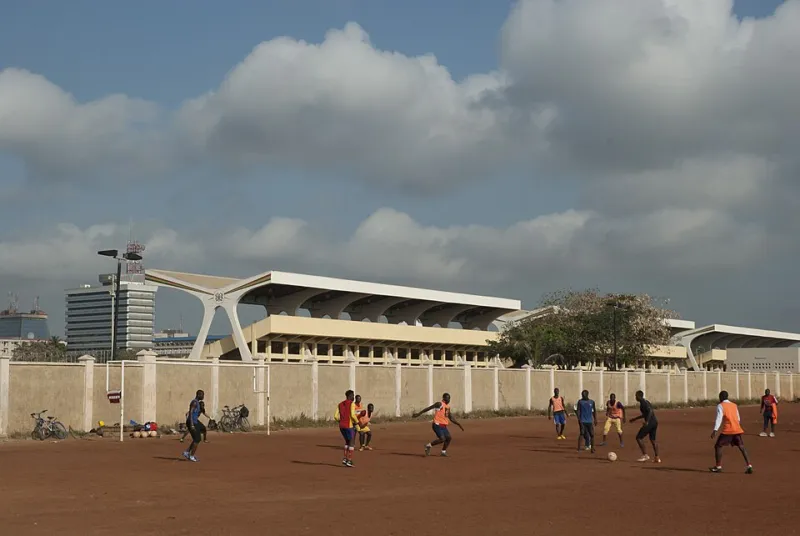
Photo: Mcwamcwa, CC0, via Wikimedia Commons
The American streaming wars have a well-worn playbook: pay a premium for live sports, use it to drive subscriber acquisition, and accept thin margins on the content itself. Apple TV+ built its strategy around Major League Soccer. Amazon rotates through Thursday Night Football. Netflix, long the holdout, has begun experimenting with live events.
What has been almost entirely absent from the conversation is Africa — a continent of 1.4 billion people, a young and globally diasporic audience, and domestic leagues whose broadcast rights remain among the cheapest in professional football. For US buyers, the question is no longer whether African leagues are streamable. It's which ones, and at what price.
Why Africa, Why Now
The case rests on three commercial pillars. First, cost: top-tier African league rights historically sell for a fraction of what comparable properties command elsewhere, sometimes in the low single-digit millions annually. Second, diaspora reach: the African diaspora in the United States and Europe represents a built-in, digitally native subscriber base with direct emotional ties to specific clubs. Third, scarcity value: whoever secures quality African league rights first acquires a differentiated catalog that no competitor can replicate quickly.
The obstacles are equally real — production quality varies widely, rights enforcement is inconsistent, and stadium broadcast infrastructure is uneven. But the same was said of MLS a decade ago.
The Five Most Streamable African Leagues
1. Egyptian Premier League. The continent's most valuable rights property, anchored by Cairo's twin giants Al Ahly and Zamalek — two of the most-followed clubs in the world by raw fanbase. Production standards are the best in Africa, and the rivalry content is self-generating. Estimated annual rights cost for a US streaming window: $3–5 million.
2. Moroccan Botola Pro. Morocco's World Cup semifinal run in 2022 made its players and league globally legible overnight. Clubs like Raja Casablanca and Wydad carry genuine international brand equity. Estimated cost: $2–4 million.
3. South African Premier Soccer Division (PSL). The most commercially mature league on the continent, with established sponsorship infrastructure and strong English-language production — a natural fit for American audiences. Estimated cost: $2–3 million.
4. Nigerian Professional Football League. The largest population pool and the deepest talent pipeline to Europe, with enormous upside if production quality can be standardized. Higher risk, but the cheapest entry point. Estimated cost: $1–2 million.
5. Tunisian Ligue Professionnelle 1. A competitive, well-supported league with clubs that regularly contest continental finals. A niche but efficient acquisition. Estimated cost: $1–2 million.
What a Deal Would Actually Look Like
A realistic US entry strategy wouldn't mirror Apple's $250 million MLS agreement. Instead, a streamer would likely acquire US-only digital rights for one or two leagues — a sub-$10 million annual outlay that amounts to a rounding error in the streaming economy — and package it as a diaspora-focused vertical alongside existing African film and music content, a model Netflix has already proven with Nollywood originals.
The bigger prize is downstream. As production standards rise and pan-African streaming penetration grows, today's cheap US rights could become tomorrow's continent-wide platforms. Early buyers aren't just purchasing inventory; they're purchasing optionality on a market of more than a billion consumers whose football consumption is currently served by legacy satellite providers with limited digital reach.
The league executives we spoke with on the continent share a consistent message: the demand is there, the price is negotiable, and the door is open. The only question is which American platform walks through it first.