Shirts, Odds, and Billions: The Wagering Money Reshaping African Football's Balance Sheets
Photo: Southernkeith, CC BY-SA 4.0, via Wikimedia Commons
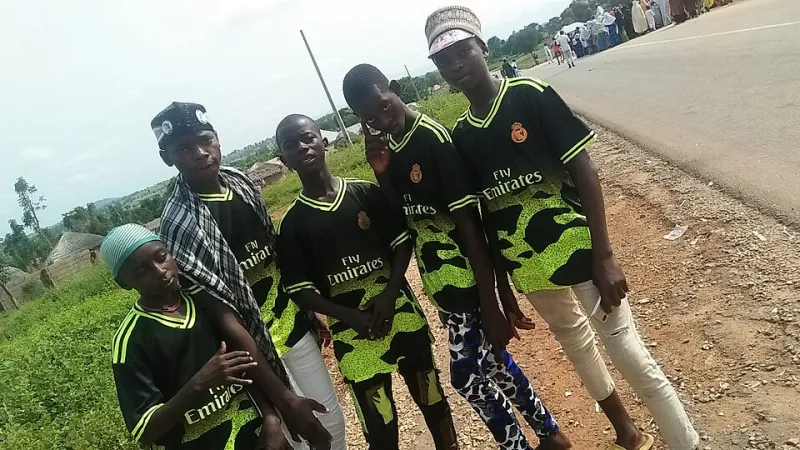
Walk through Nairobi on a matchday and the commercial architecture of Kenyan football is impossible to miss. Betting logos dominate stadium hoardings, club jerseys, and broadcast graphics. Across the continent, wagering firms have quietly become the single most important source of commercial revenue for domestic leagues that European sponsors have long overlooked.
For American gambling executives scanning the globe for their next growth market, Africa's betting-football nexus deserves close study — because it demonstrates both the enormous upside and the political fragility of the sponsorship model.
Where the Money Actually Flows
The scale of the wagering economy in key markets is striking. Nigeria's sports betting sector is estimated to process billions of dollars in stakes annually, and operators such as Bet9ja and SportyBet have translated that turnover into football visibility — title partnerships, club sponsorships, and player ambassador deals that keep cash moving through the domestic game.
Kenya tells a similar story. Betting firms have at various points sponsored nearly every top-flight club in the Kenyan Premier League, stepping into a vacuum left by banks and telecoms that had grown wary of football's governance troubles. When the Kenyan government briefly cracked down on betting licenses in 2019, several clubs were pushed to the edge of insolvency almost overnight — a vivid lesson in sponsorship concentration risk.
The commercial logic for operators is straightforward. Football is the dominant content category across the continent, match-day engagement converts directly to app downloads, and customer acquisition costs through jersey placement are a fraction of what the same impressions would cost on European inventory.
The Regulatory Reckoning
That dependence is now colliding with a policy backlash. Uganda has moved to restrict betting advertising near schools and places of worship. Tanzania's parliament has debated sweeping ad bans. Kenya's Betting Control and Licensing Board has repeatedly tightened advertising rules and raised licensing fees. Nigeria's National Lottery Regulatory Commission continues to tighten oversight of an industry that grew faster than its regulator.
Each crackdown lands directly on club balance sheets. Unlike European leagues, where betting revenue typically represents a mid-single-digit share of commercial income, many African clubs derive the majority of their sponsorship income from a single operator relationship. Diversification, not just regulation, is the existential question.
What American Operators Should Learn
As US sportsbooks mature domestically and eye international expansion, Africa offers three lessons.
First, distribution beats brand spend. The operators that won African markets did so through agent networks, mobile-money integration, and low-stake micro-betting products suited to local incomes — not through expensive TV campaigns. M-Pesa compatibility in Kenya did more for customer acquisition than any billboard.
Second, football sponsorship is a social license. Clubs and leagues that treat betting partners purely as revenue may find that regulators, religious institutions, and fan groups view the relationship very differently. Sustainable sponsorship requires visible investment in grassroots programs and responsible-gambling infrastructure.
Third, regulatory volatility is the baseline assumption. Any US operator modeling African expansion should stress-test revenue against abrupt license suspensions and advertising restrictions — because that is the historical norm, not the exception.
The Bottom Line
African football's wagering economy has filled a financing gap that broadcasters and multinational brands left open for decades. It has kept clubs solvent and leagues visible, but it has also concentrated risk in a single, politically exposed industry. The next phase of the continent's football business will be decided by whether leagues can convert betting money into durable commercial infrastructure — before the rules change underneath them.