The Rights Nobody Wants to Buy: Solving the Nigerian League's American Visibility Problem

Photo: Timiabayomi, CC BY-SA 4.0, via Wikimedia Commons
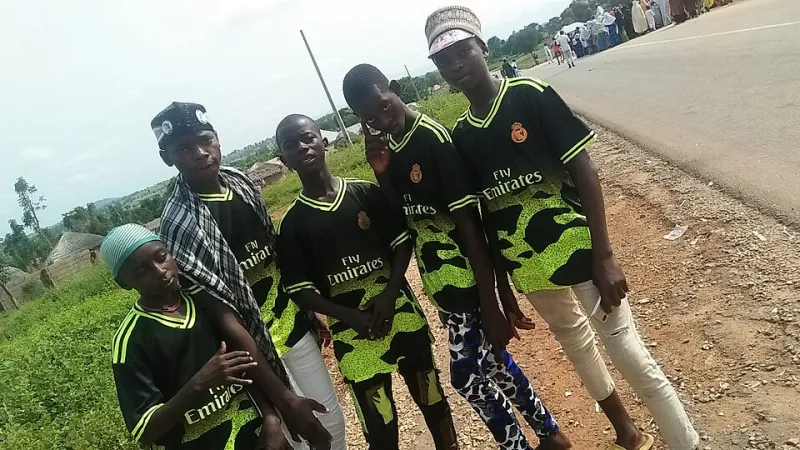
Here is a puzzle for the American sports business: the Nigerian Professional Football League supplied talent to the last several Premier League and Serie A title races, its clubs have continental trophies in their cabinets, and its diaspora audience in the United States numbers in the millions. Yet a fan in Houston or Brooklyn who wants to watch Enyimba face Kano Pillars will search streaming menus in vain.
This is not a content problem. It is a rights-structure problem — and it is fixable.
How the Gap Was Built
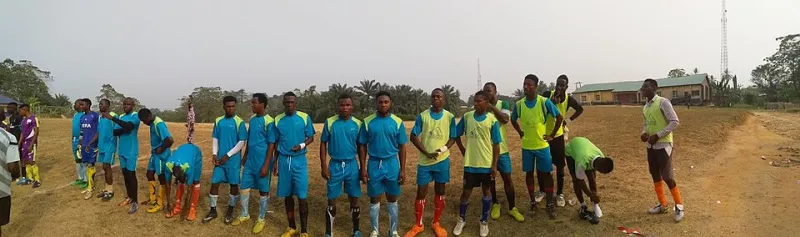
The NPFL's media rights have historically been bundled domestically, sold to local broadcasters at values that reflect Nigeria's advertising market rather than the league's global potential. International sub-licensing has been sporadic, poorly marketed, and frequently tangled in disputes over rights enforcement. Matches are produced with modest cameras and minimal graphics, which makes premium pricing difficult even where distribution exists.
Compare that with basketball. NBA Africa, backed by investor capital and a deliberate media strategy, put Basketball Africa League games on ESPN and streaming platforms within three seasons. The lesson is not that football lacks demand; it is that nobody has packaged the NPFL for export with the same intentionality.
The Diaspora Is the Beachhead
The commercial case starts with Nigerians in America. The Nigerian diaspora is among the largest, best-educated, and most digitally engaged African communities in the US, concentrated in media-heavy metros — New York, Houston, Atlanta, Washington, Chicago. These are subscribers who already pay for multiple streaming services and follow Nigerian football through social media clips and WhatsApp groups because no legitimate channel exists.
A direct-to-consumer streaming product priced at $5–8 per month, carrying 20–30 live matches weekly plus magazine programming, would need only a modest conversion rate from that diaspora to reach viability. From there, the addressable market expands: African football neutrals, analytics-minded fans tracking the next transfer breakout, and the growing US audience for lower-division and international football that has sustained leagues far less storied than the NPFL.
Who Is Positioned to Act
Three kinds of rights holders could move first. The league itself, by revoking bundled domestic exclusivity and retaining international digital rights outright — the model that transformed Major League Soccer's and La Liga's streaming economics. Niche sports streamers such as those that built businesses on international football catalogs, which have proven a US appetite for content the majors ignore. And diaspora-focused platforms, which already command trust and payment relationships inside the target audience.
The production bar is lower than executives assume. A two-camera feed, competent commentary, and reliable streaming infrastructure would meet the expectations of an audience accustomed to watching lower-league football on niche platforms. The marginal cost of digital distribution approaches zero; the barrier is contractual, not technical.
A Transfer Market Play, Too
There is a second revenue logic: the NPFL as a scouting showcase. American clubs in MLS and the USL increasingly scout undervalued markets, and a league visible on US screens becomes a league whose players get trials, whose transfer fees get documented, and whose clubs build commercial relationships with American academies and agents. Visibility compounds into valuation.
The Nigerian league's absence from American screens is not destiny. It is an unsold asset sitting in plain sight — and in sports media, assets like that rarely stay unsold forever. The operator that claims diaspora distribution first will set the price for everyone who follows.