Why Lagos Still Can't Cash In on Game Day: Five Clubs Trying to Fix Africa's Matchday Problem

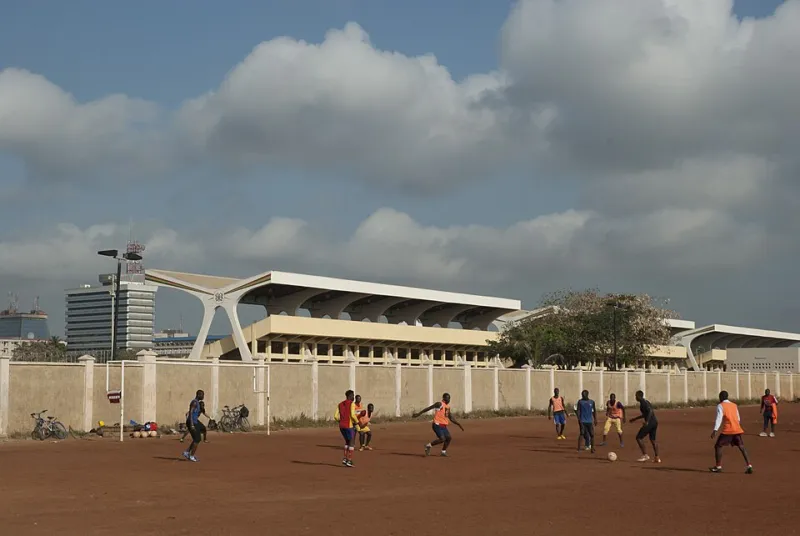
Photo: Joelflorentinpereira, CC BY-SA 4.0, via Wikimedia Commons
Imagine an NFL franchise that doesn't own its stadium, can't process credit cards at the gate, and hands most of its gate receipts to a government landlord. That, in essence, is the matchday reality for most of Africa's biggest football clubs — institutions with fanbases that would embarrass mid-table European sides, but balance sheets that look nothing like them.
European giants routinely generate $80 million to $140 million a year from matchday operations. Africa's largest clubs, by most credible estimates, rarely clear $3 million from the same revenue line. The gap is not a talent problem or a passion problem. It is an infrastructure problem, and it is finally starting to attract the attention of operators who understand what a well-run venue can be worth.
The Structural Handicap
Three obstacles explain most of the shortfall.
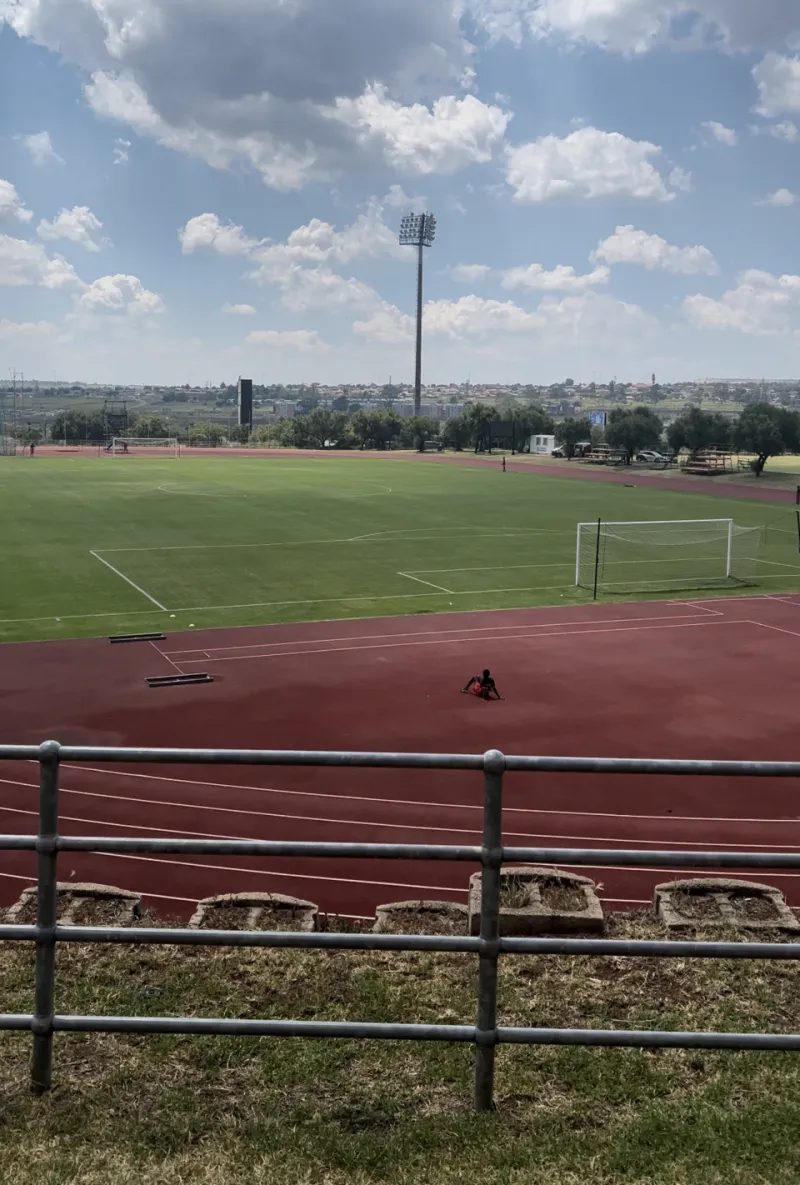
First, stadium ownership. The overwhelming majority of African clubs play in government-owned venues leased at nominal or zero cost — an arrangement that sounds like a subsidy but functions as a ceiling. Clubs cannot control concessions, naming rights, premium seating, or even kickoff times, because they do not control the building. The famous Moshood Abiola National Stadium in Abuja and Lagos's National Stadium complex sit under public stewardship, their commercial potential largely dormant.
Second, ticketing infrastructure. Cash-at-the-gate remains the dominant sales channel, which means no customer data, no dynamic pricing, no season-ticket financing, and substantial leakage through counterfeiting and skimming. A club that cannot identify its fans cannot monetize them.
Third, hospitality. The premium seating, club-level lounges, and corporate boxes that fund European matchday sheets are largely absent from African venues. Where boxes exist, they are often allocated politically rather than sold commercially.
Five Clubs Rewriting the Game Day Script
1. Mamelodi Sundowns (South Africa) The Brazilians are the continent's commercial benchmark, and their matchday operation reflects it. Backed by the Chippa-equivalent depth of the Chloorky-based Motsepe family ownership, Sundowns invested in Lucas Moripe Stadium operations, structured ticketing through digital partners, and built consistent fan engagement that turns regular-season league fixtures into genuine events. Their model proves that African matchday revenue scales when a club controls its own commercial calendar.
2. Wydad Casablanca (Morocco) Morocco's post-World Cup 2030 infrastructure pipeline is lifting its clubs. Wydad's move into the upgraded Mohammed V Complex and the club's aggressive hospitality packaging for domestic fixtures — including corporate hospitality tiers priced for a growing Moroccan corporate sector — represent the closest thing on the continent to a European-style premium matchday product.
3. Simba SC (Tanzania) Simba has professionalized faster than almost any club in East Africa, introducing digital ticketing through mobile money integration — a natural fit in a market where M-Pesa-style payments are the default. By selling tickets through the same rails fans already use for daily transactions, Simba has attacked the cash-leakage problem directly.
4. Al Ahly (Egypt) With a claimed membership base in the millions, Al Ahly operates less like a football club and more like a members' institution — a model familiar to anyone who has studied American country clubs or Booster-backed fan collectives. Its social club facilities, membership dues, and stadium hospitality give it recurring revenue streams most African rivals lack entirely.
5. Enyimba FC (Nigeria) The People's Elephant have been vocal advocates for stadium commercialization in Nigeria, pushing for control of the Godswill Akpabio-class venues they occupy and experimenting with matchday partnerships for food, beverage, and merchandise rights. Progress is halting — but the advocacy itself matters in a market where the structural conversation has barely begun.
What US Operators Should See Here
For American stadium operators, concessionaires, and ticketing companies, the opportunity is straightforward: Africa's matchday market is a greenfield with enormous demonstrated demand. Companies that cut their teeth on US venue digitization — cashless concessions, mobile ticketing, dynamic pricing — hold exactly the toolkit African clubs need.
The entry strategy is not buying clubs. It is selling the operating layer: ticketing platforms adapted to mobile money, concession partnerships, premium seating development, and naming-rights brokerage for the next generation of African venues.
The fans are already there, filling stadiums in Casablanca, Cairo, and Soweto at numbers most MLS teams would envy. What's missing is everything around them. That's not a problem — that's a market.