Unpaid Dues: The Compensation Gap Behind America's Recruitment of West African Teenagers

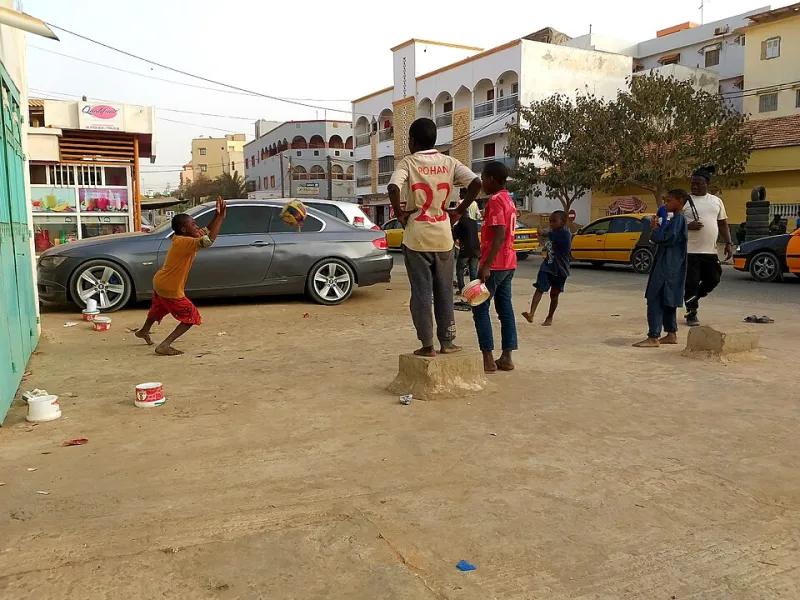
Photo: Jindřich Nosek (NoJin), CC BY 4.0, via Wikimedia Commons
The Invoice Nobody Sends
When a 16-year-old from Accra signs with an MLS Next academy in Texas, the transaction looks simple from the American side: a scouting trip, a visa, a plane ticket, a roster spot. What it rarely includes is a check to the youth club in Ghana that spent five years developing the player.
Under FIFA's training compensation and solidarity mechanisms, that check is supposed to exist. In practice, academy directors across West Africa describe a system that functions on paper and fails in the wire transfer. The result is a quiet subsidy flowing in one direction — from the developing clubs of West Africa to the expanding youth infrastructure of American soccer.
How the Money Is Supposed to Work
FIFA's Regulations on the Status and Transfer of Players obligate a club signing a player under 23 to pay training compensation to every club that trained him between ages 12 and 21, apportioned by years spent at each. Solidarity payments, by contrast, follow the player throughout his career: 5% of every future transfer fee is distributed to the clubs that developed him.
The math can be meaningful. A Ghanaian colts club that trains a player from 12 to 16 might be entitled to four years' worth of compensation calculated against the average cost of an American academy spot — a figure that, in the US system, can run well into five figures annually.
But enforcement depends on registration. And that is where the American pathway diverges from the European one.
The US Exception
When a West African teenager signs with a professional club in France or Belgium, the transfer is processed through FIFA's clearing house, and solidarity calculations are largely automatic. When the same player lands in an American youth academy, no professional contract exists, no international transfer certificate is triggered, and FIFA's mechanism never activates.
The player is not a transfer. He is a recruitment.
That distinction — semantic on its face, structural in effect — means that hundreds of players moving into US youth soccer each year generate no compensable event. The academy pays for flights, tuition, and housing, but nothing flows upstream. Several American youth clubs contacted for this article did not respond to questions about whether they had ever made voluntary payments to African training clubs. Those that did respond described such payments as goodwill gestures rather than obligations.
Waiting in Accra and Dakar
For the academies on the other end of the pipeline, the gap is not abstract. Directors of youth setups in Ghana's Greater Accra region describe keeping spreadsheets of players who left for American showcase tournaments and never generated a payment. One Senegalese academy operator, whose alumni now populate MLS Next rosters, put it bluntly: the club's entire annual budget is less than what a single US academy spends on travel per season.
These are not fringe operations. Ghana's colts system and Senegal's private academies have produced Premier League and Ligue 1 players for decades. The infrastructure survives on gate receipts, local sponsors, and — increasingly — the hope that a player's eventual European move will trigger a solidarity payment years down the line, if the club's registration details were recorded correctly in the first place.
Why American Clubs Don't Push for Reform
The obvious counterargument: US academies are not obligated to fix a system that doesn't cover them. Youth soccer in the United States is pay-to-play, franchise-adjacent, and commercially rational. If a Ghanaian club wants compensation, the argument runs, it should sign the player to a professional contract that triggers FIFA's rules.
But that framing ignores the asymmetry of leverage. A 15-year-old in Tema has no agent, no union, and no realistic path to enforcing a claim against a US youth organization operating outside FIFA's jurisdiction. The training club's only currency is its reputation as a developer — the very asset being extracted without payment.
There are also commercial stakes for American soccer itself. MLS academies and youth clubs are competing for a talent pool that has produced an outsized share of the league's recent international signings. If that pipeline rests on uncompensated development, the cost is being externalized onto some of the poorest clubs in the global game.
What a Fix Might Look Like
Reform proposals circulate in fits and starts. Some African academy networks have begun negotiating side agreements — essentially private training compensation contracts — with the American clubs that recruit their players, bypassing FIFA entirely. Others are formalizing registration through African federations in the hope that future solidarity claims will stick when players eventually turn professional.
The more structural answer would involve FIFA extending its training compensation framework to amateur and youth signings in non-signatory markets — a change US Soccer would likely resist, given that it would price American youth recruitment against a cost basis its pay-to-play model has never had to absorb.
Until then, the economics remain as they are: American academies acquire developed talent at the cost of a plane ticket, and the clubs in Accra and Dakar that did the developing wait for a check that the system never required anyone to send.