A Tournament Watched by Millions, Monetized by Almost No One
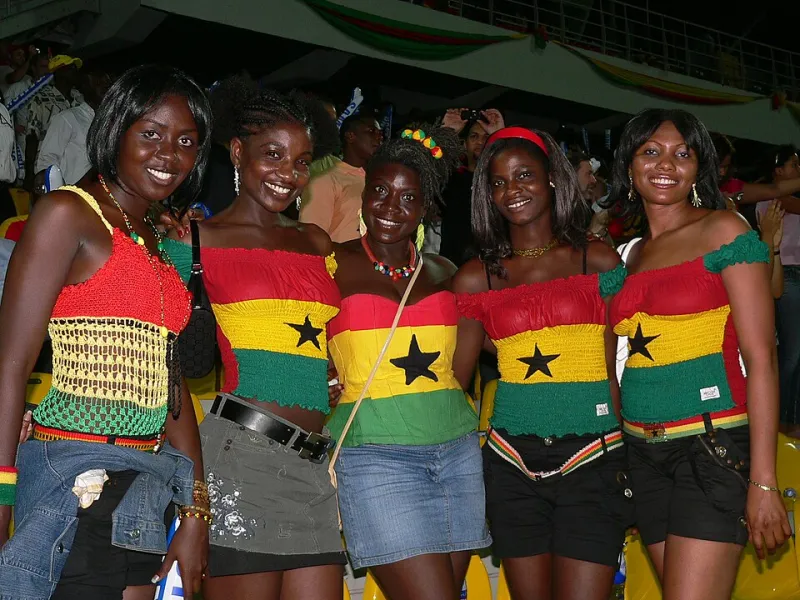
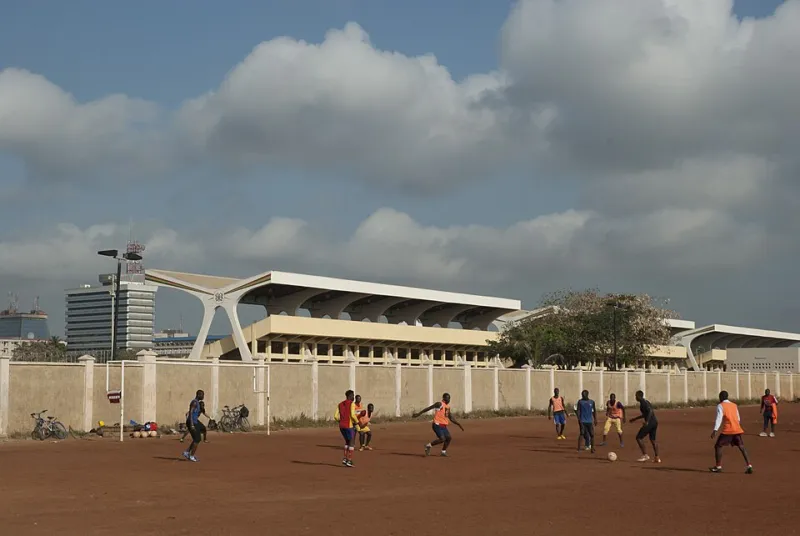
Photo: Jake Brown, CC BY 2.0, via Wikimedia Commons
Here is a comparison that should make every commercial executive at CAF wince. The 2023 Africa Cup of Nations final drew an estimated audience in the hundreds of millions globally, with diaspora viewership in the United States strong enough that American bars from Houston to Washington, D.C. opened early for kickoff. The tournament's total merchandise and licensing revenue, by most credible estimates, was a fraction of what a single NFL franchise generates from licensed apparel in a mediocre season.
AFCON is a goldmine with no gift shop. And the fix is neither mysterious nor especially expensive.
The Licensing Vacuum
Start with the most basic failure: for most of its history, AFCON has operated without a coherent global licensing program. Replica kits are controlled by national federations and their supplier contracts. Tournament-branded merchandise — the scarves, the match-day apparel, the collectibles that generate hundreds of millions at FIFA World Cups and UEFA Euros — has been sporadic, poorly distributed, and largely invisible to consumers outside the host continent.
The result is a parasitic economy. Walk through the Ethiopian or Nigerian commercial districts of Minneapolis, Columbus, or the Bronx during a tournament window and you will find unofficial AFCON merchandise everywhere — printed overnight, sold at a margin, and generating revenue for everyone except the competition that created the demand.
The American Opportunity Is Already Here
The US market deserves particular attention, and not just because of this publication's vantage point. The African diaspora in the United States numbers in the millions and is concentrated in media markets with high disposable income. During recent tournaments, watch parties organized by diaspora communities have filled venues that MLS would envy.
Yet when a fan in Atlanta wants to buy an official Senegal tournament scarf or a Nigeria x AFCON capsule collection, the path to purchase is essentially nonexistent. Compare that to the World Cup, where FIFA's US retail operation converts casual American viewers into customers at scale every four years.
There is also a crossover play being left on the table. American streetwear culture has embraced football aesthetics — jersey culture is now a fixture of US fashion retail. A properly executed AFCON licensing program, with limited drops and collaborations aimed at the same consumer buying retro jerseys at retail chains, would meet an audience already primed to spend.
What a Modern Playbook Looks Like
The components are well established; other competitions have simply executed them.
A centralized licensing operation. CAF needs a dedicated licensing arm with global category exclusivity, quality control, and enforcement teeth. The infrastructure cost is trivial relative to the revenue at stake.
Direct-to-consumer digital retail. A tournament storefront with US, European, and African fulfillment — timed to tournament windows when search interest spikes — captures the demand that currently leaks to counterfeiters.
Streaming-adjacent commerce. AFCON's broadcast partners in the US market have built sophisticated streaming platforms. Shoppable broadcasts, where viewers can purchase featured merchandise in-app during matches, are standard practice in American sports and remain untouched by African football's flagship property.
Federation revenue-sharing. The reason national federations have historically guarded their own merchandise rights is simple: they didn't trust the center. A transparent split — tournament-branded revenue flowing back to participating federations — would align incentives rather than fight them.
The Cost of Waiting
Skeptics will note that AFCON's cadence and administrative turbulence have historically undermined long-term commercial planning. That is a fair critique — and precisely why the opportunity remains open. Every tournament cycle without a licensing program trains another generation of fans to buy unofficial product, entrenching the grey market that a future program will have to displace.
The audience, meanwhile, is not waiting. It is watching, in numbers most competitions would kill for, wearing shirts someone else profited from. The commercial gap between what AFCON earns and what it could earn is not a marketing problem. It is an organizational one — and organizations, unlike audiences, can be fixed.